How to improve your gut health
Feeling bloated, gassy, or uncomfortable after eating? Your gut might need a little attention. Here’s a simple 7-day plan to help you eat better, understand your digestion, and find out what works for you.
You don’t need expensive supplements, a strict diet, or a fridge full of fancy health foods.
First, what’s actually happening in your gut?
Your gut is where your body breaks down food and takes in the nutrients it needs. But there’s something else living in there, too: trillions of tiny organisms called gut microbes. Think of them as a little community living inside your digestive system.
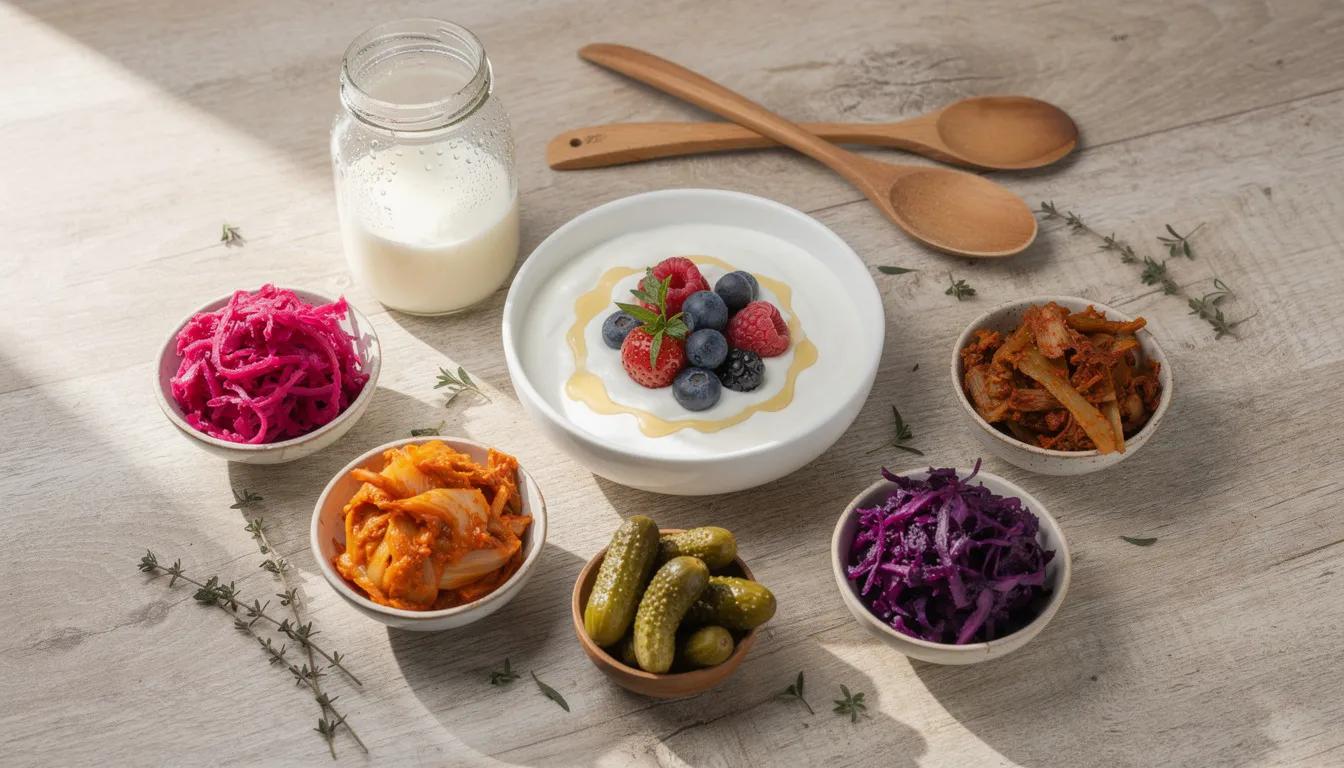
Some of these microbes feed on fibre from foods like oats, beans, fruit and vegetables. As they break down that fibre, they produce substances that help keep your gut working normally. And here’s something interesting: the foods you eat can change which microbes live in your gut — that’s one reason eating different kinds of plant foods can be helpful.
But there’s a catch: not every healthy food agrees with everyone. Beans might be a great source of fibre for one person, but leave someone else feeling bloated. Yogurt might suit you perfectly, while milk gives you stomach trouble.
That doesn’t automatically mean something is wrong with your gut. Your body is unique. The trick is to build healthy habits while learning which foods make you feel good.
Why does your gut sometimes feel uncomfortable?
Bloating, gas and stomach discomfort can happen for lots of reasons. Here are a few common ones.

Ever finished a meal and suddenly felt like your stomach was full of air? Eating quickly makes you swallow more air, which can leave you feeling bloated or gassy. Try slowing down, chewing your food, and giving yourself a little more time to eat.
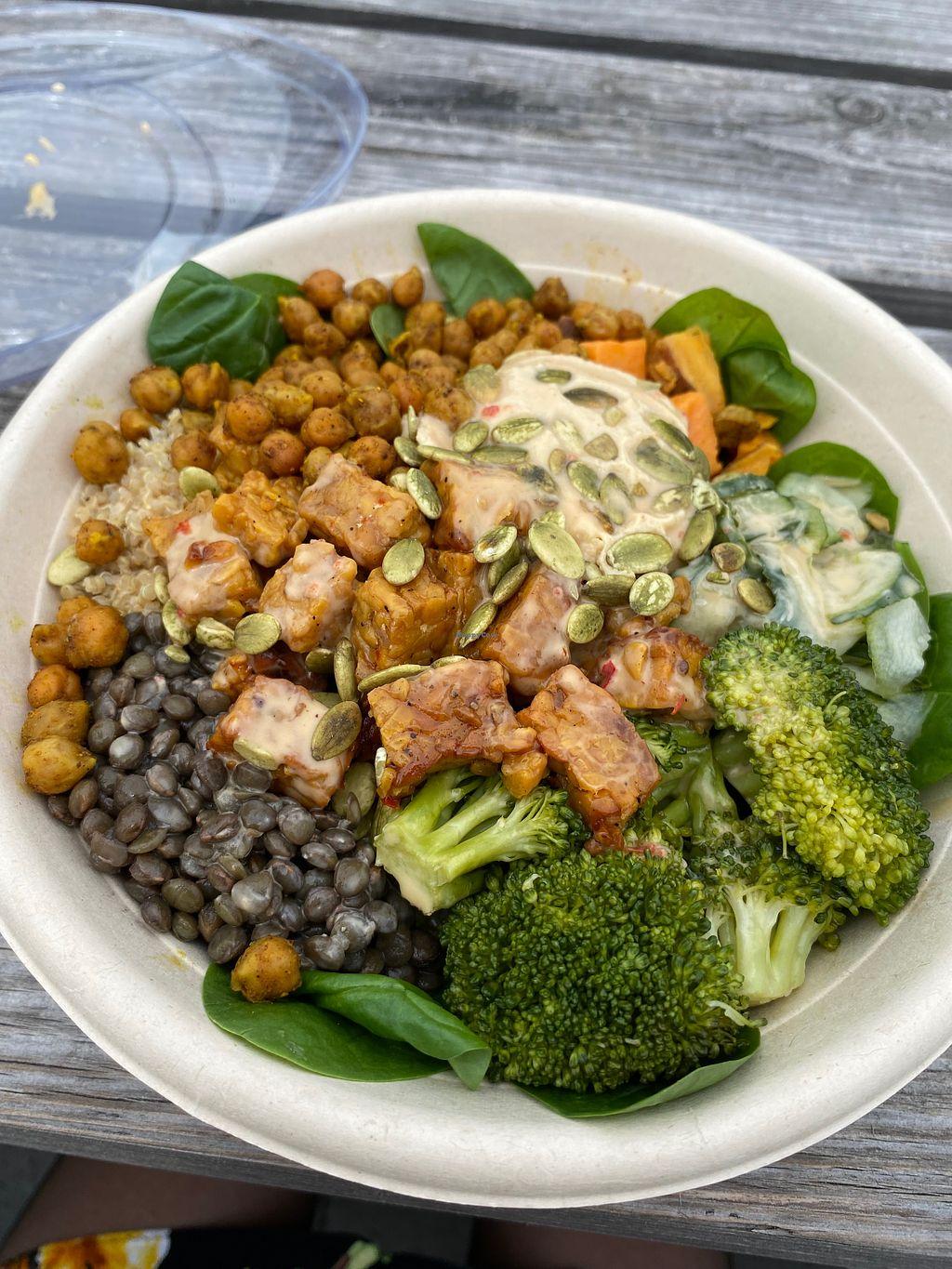
Foods like beans, lentils, onions and certain fruits contain carbohydrates your gut doesn’t fully digest. When these reach the large intestine, gut bacteria break them down — and gas is produced as a result. That’s normal, but too much can feel uncomfortable. You don’t need to cut these foods out; try smaller portions and see how your body responds.
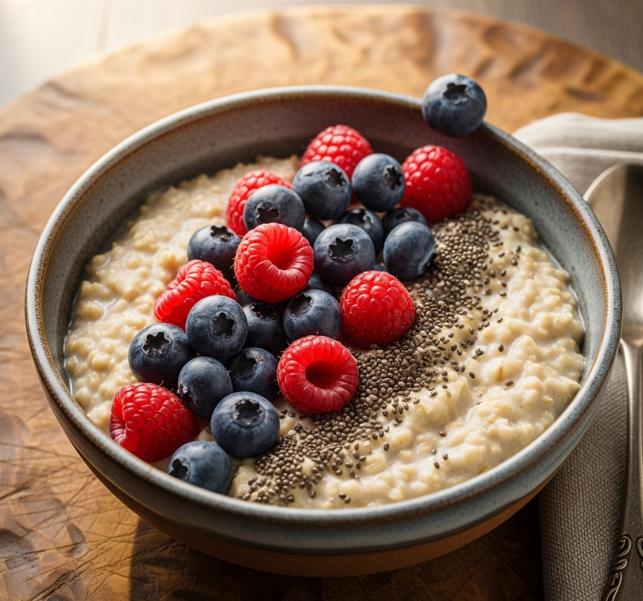
Fibre is good for your digestion, but suddenly eating lots of it can cause gas and bloating. If you jump from very little fibre to a huge bowl of beans, oats and broccoli every day, your gut needs time to adjust. Start small, add fibre gradually, and drink enough water.
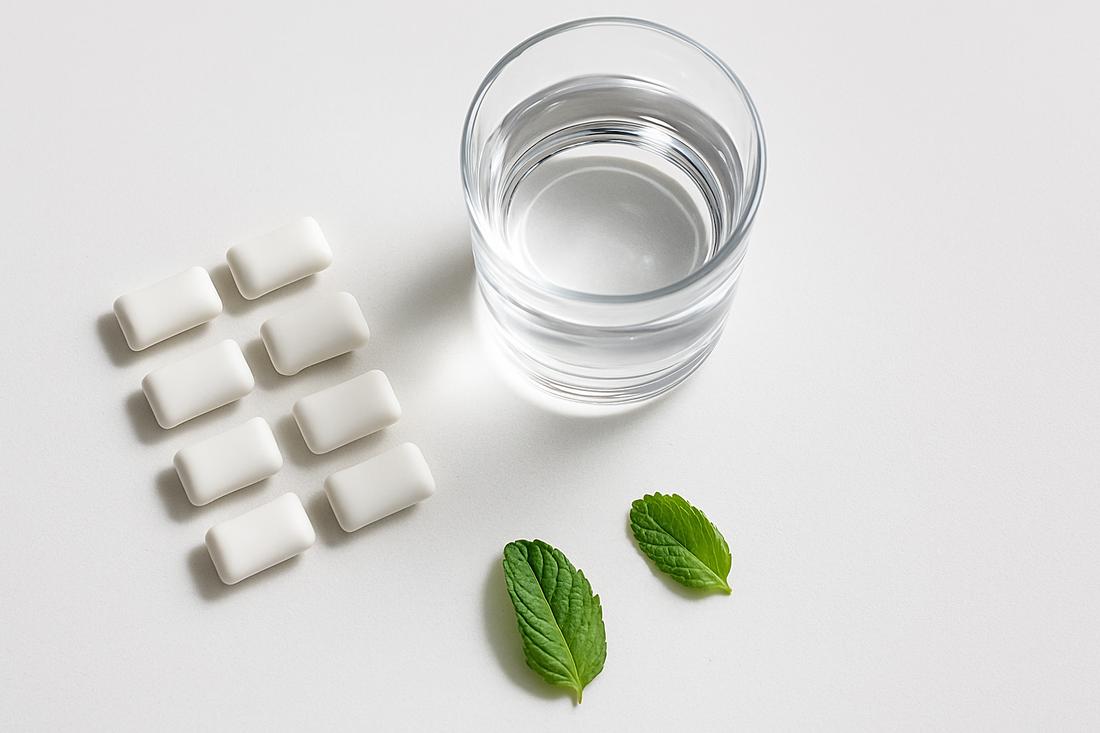
Soda and sparkling water contain gas that can make your stomach feel full. Some sugar-free sweets, gums and protein bars contain sweeteners like sorbitol, maltitol or xylitol, which can cause gas or loose stools — especially in larger amounts. Try cutting back for a few days and see if you notice a difference.

Your brain and gut are constantly talking to each other. When you’re stressed, digestion can feel different — more discomfort, changes in bowel movements, or a sensitive stomach. Getting enough sleep, taking walks and finding ways to relax won’t fix every gut problem, but they help support your overall digestion.
7-day gut plan
One small thing to try each day. You don’t have to be perfect or buy anything special. Make a few easy changes, see how you feel, and keep the ones that work for you.
 1
1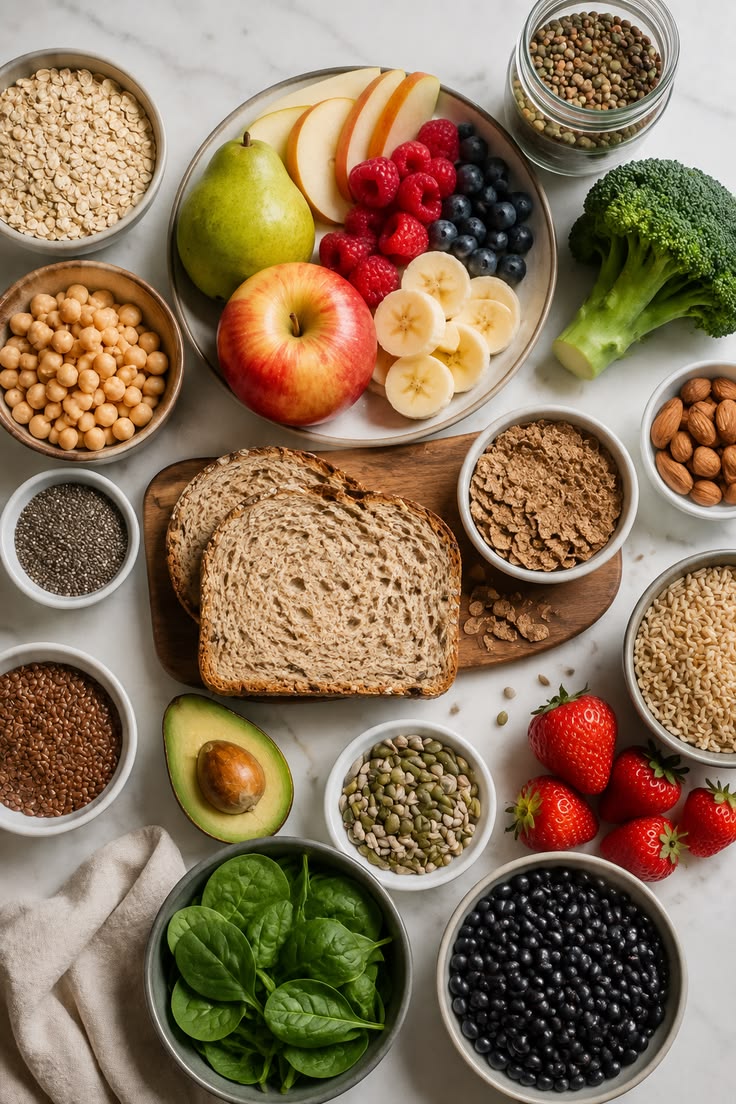 2
2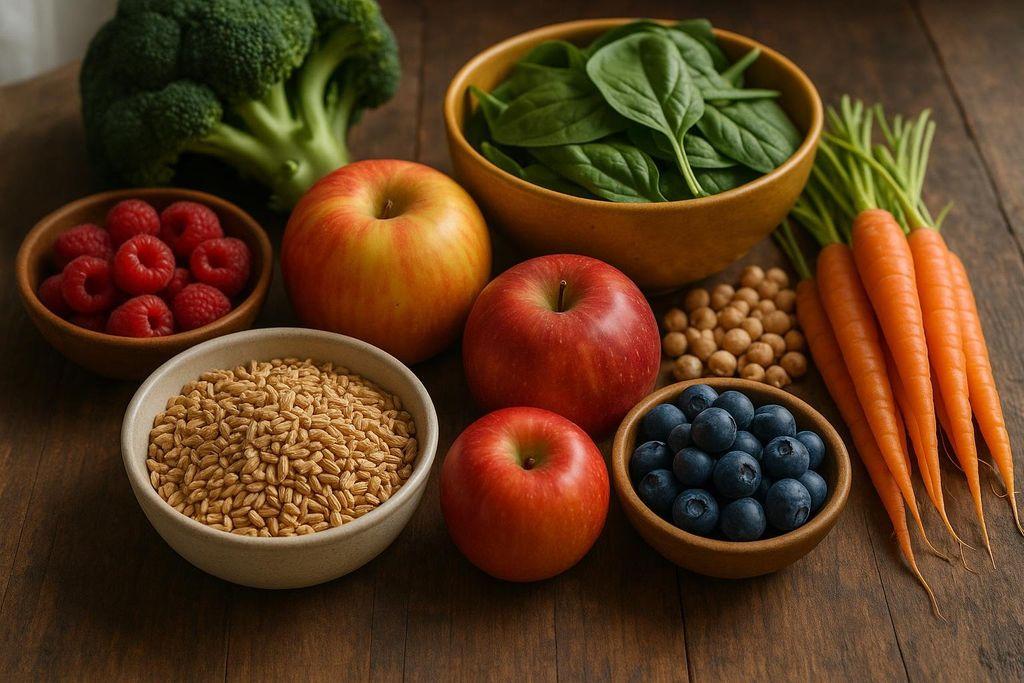 3
3 4
4 5
5 6
6Grocery list for gut-friendly foods
You don’t need special gut-health products — start with ordinary foods that bring fibre, nutrients and variety. Copy the list below and take it shopping. You don’t need every item every day.
- Whole grains
- Oats
- Brown rice
- Barley
- Wholegrain bread
- Wholewheat pasta
- Beans & lentils
- Chickpeas
- Lentils
- Peas
- Black beans
- Kidney beans
- Fruit
- Kiwi
- Berries
- Oranges
- Bananas
- Apples
- Pears
- Vegetables
- Carrots
- Spinach
- Courgettes
- Peppers
- Broccoli
- Leafy greens
- Fermented foods
- Plain yogurt
- Kefir
- Kimchi
- Sauerkraut
- Miso
- Nuts & seeds
- Walnuts
- Almonds
- Chia seeds
- Flaxseeds
- Pumpkin seeds
Foods worth avoiding
Research has linked certain foods to the growth of harmful bacteria, including:
- Linked to harmful gut bacteria
- Refined grains (white rice, white flour)
- Added sugars
- Red meat
- Processed meats (bacon, sausage, pepperoni)
- Saturated fats (butter, fried foods)
- Ultra-processed foods (chips, soda, fast food)
- Artificial sweeteners
- Alcohol
- Worth testing one at a time
- Fizzy drinks
- Sugar-free sweets & sweeteners (sorbitol, xylitol, maltitol)
- Dairy, if it triggers you
- Onions, garlic, beans and other high-fibre triggers
Do you need gut-health supplements?
Keep it simple: supplements are optional, not a requirement for a healthy gut, and more isn’t better. Start with food, then consider whether a specific one actually fits your needs. Here’s what people commonly reach for:
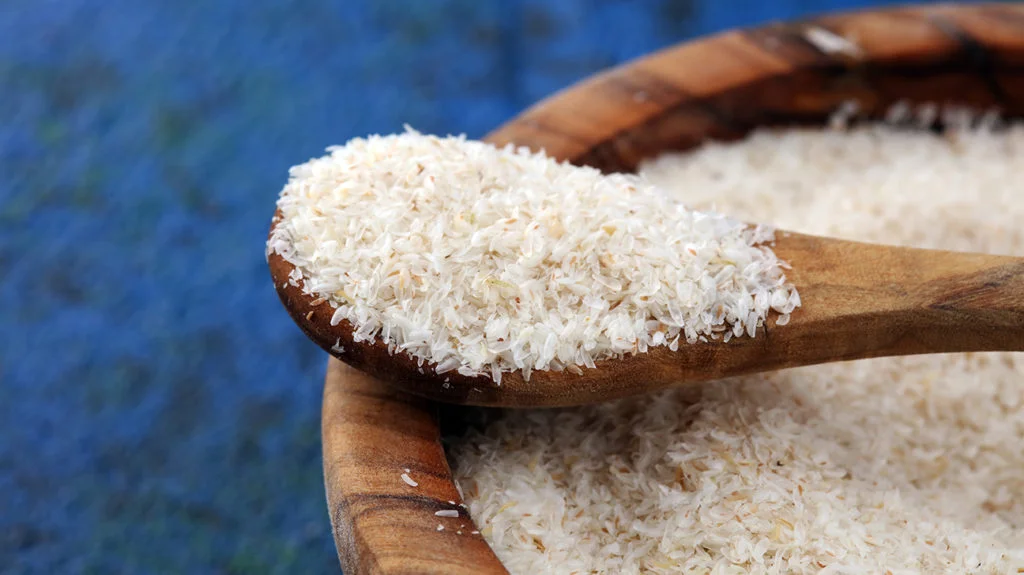
Why people use it: A soluble fibre that absorbs water and forms a gel; sometimes used for regularity or IBS symptoms.
How to approach it: Start small per the label, build up slowly if tolerated, and drink enough water.
Why people use it: Live microorganisms; some specific strains have been studied for certain digestive situations.
How to approach it: Don’t grab a random high-dose “gut health” product — check the strain, intended use and evidence, and ask a professional.
Why people use it: Fibres (like inulin) that gut microbes feed on; also found in oats, legumes and some veg.
How to approach it: Try food sources first. Supplements like inulin can cause gas and bloating in some people, especially at higher doses.
Why people use it: An amino acid that the cells lining your gut use as fuel; often discussed for gut-barrier support.
How to approach it: Most solid research is in specific medical situations, not healthy people — treat it as optional and check with a professional first.
Why people use it: An amino acid found in collagen and bone broth; involved in digestion and calming, restful sleep.
How to approach it: Usually taken in small amounts; you also get it from collagen, gelatin and bone broth in food.